Milestone Triggers and Escalating Rewards in Licensed Digital Gaming Spaces
Theo Walter · Sep 22, 2026
Milestone Triggers and Escalating Rewards in Licensed Digital Gaming Spaces
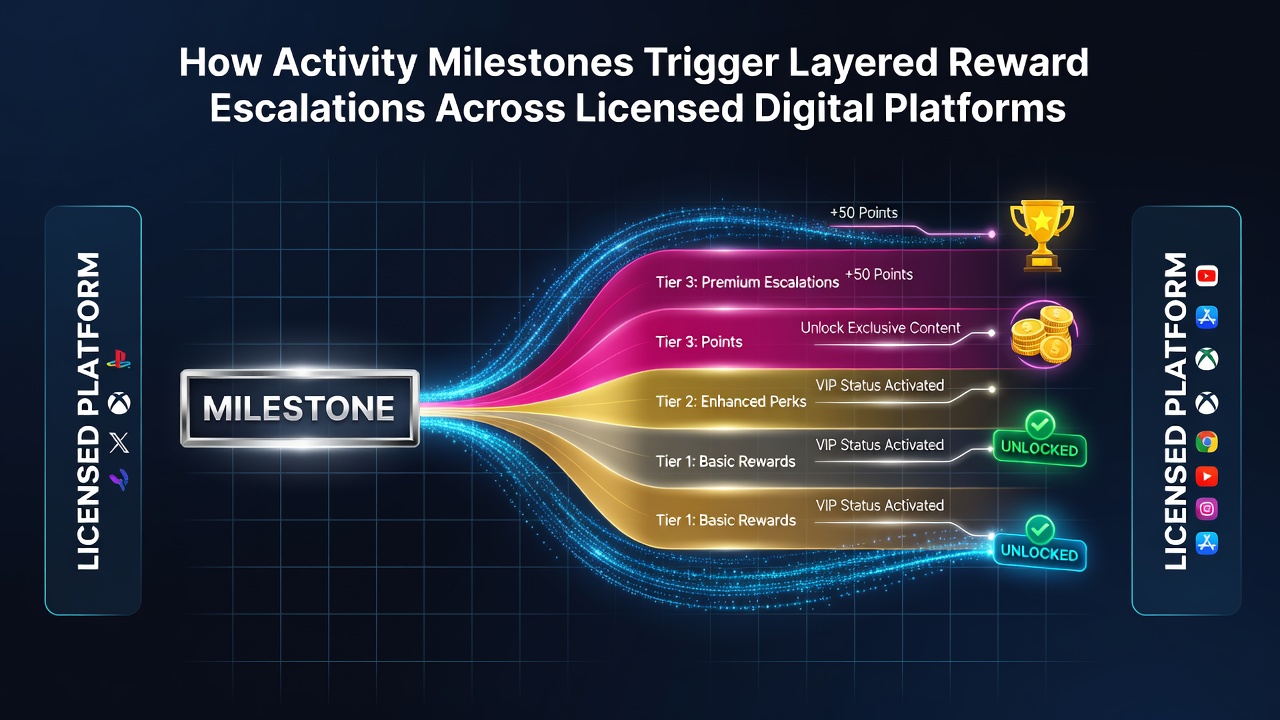
Activity milestones in licensed digital platforms function through structured tracking systems that monitor user engagement metrics such as deposit frequency, wager totals, and session duration, then activate corresponding reward layers once thresholds are met. These systems rely on automated algorithms that categorize players into progressive tiers, where each completed milestone unlocks enhanced incentives including bonus credits, cashback percentages, and access to exclusive features. Data from regulatory reports indicate that platforms operating under state oversight in the United States implement these mechanisms to maintain compliance while encouraging sustained participation.
Core Mechanics of Milestone Activation
Operators define milestones around quantifiable actions, and once a player reaches a set volume of activity the platform's backend processes the data in real time to escalate the reward tier. For instance, a base level might require a minimum deposit amount over a defined period, after which the system grants an initial bonus percentage that increases in subsequent layers as additional benchmarks like total wagers or login streaks are achieved. Observers note that this layered approach distributes rewards incrementally rather than in single large payouts, which aligns with retention patterns documented in industry analyses.
September 2026 updates from multiple platforms show expanded integration of real-time dashboards that display current progress toward the next milestone, allowing users to visualize their advancement without manual tracking. These interfaces pull from centralized databases that log every qualifying action, ensuring accuracy across mobile and desktop sessions. Researchers at academic institutions have examined similar structures and found measurable correlations between milestone completion rates and extended platform usage across regulated markets.
Layered Reward Structures Across Jurisdictions
Licensed operators in North America and Europe deploy tiered systems that scale rewards based on cumulative activity, with lower tiers offering standard free credits and higher tiers granting personalized multipliers or priority support. The escalation occurs automatically once the platform verifies the milestone through its compliance-verified software, reducing manual intervention and audit risks. Figures from state gaming reports reveal that such programs contribute to consistent revenue streams while adhering to anti-money laundering protocols enforced by bodies like the New Jersey Division of Gaming Enforcement.
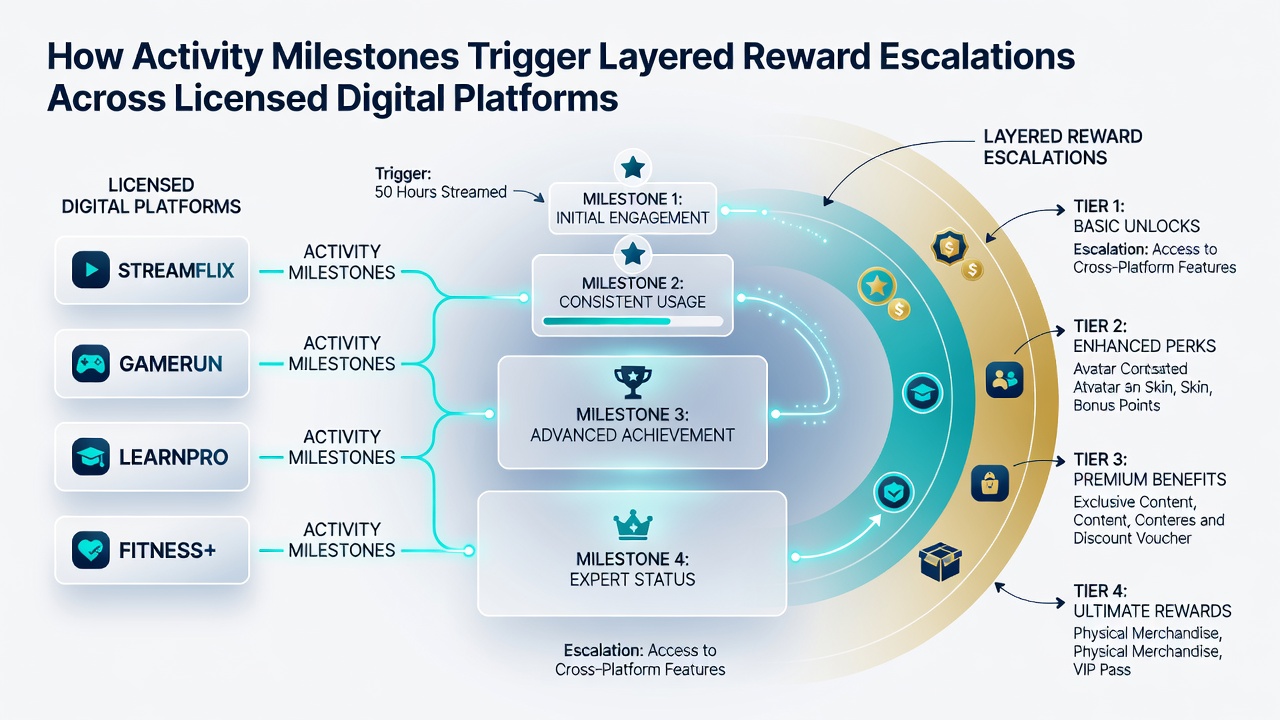
One documented case involves platforms that link deposit streaks to cashback escalations, where each additional qualifying deposit over a monthly cycle triggers an incremental increase in rebate rates. This creates a compounding effect that researchers associate with higher retention in longitudinal studies of digital gaming behavior. Platforms licensed in Australian states apply comparable models, incorporating responsible gaming limits that cap reward access once predefined spending thresholds are reached.
Data Patterns and Platform Implementation
Analytics from licensed operators demonstrate that players who progress through multiple milestone layers exhibit distinct engagement curves compared to those who remain at entry levels. The algorithms adjust reward values dynamically according to historical play data, ensuring that escalations reflect verified activity rather than projected behavior. Industry organizations such as the European Gaming and Betting Association have compiled reports showing these patterns hold across different regulatory environments, including Canadian provincial frameworks.
Platforms incorporate safeguards that prevent premature escalation by requiring verification steps at each tier boundary, which includes identity checks and transaction reviews mandated by licensing authorities. This process maintains operational integrity and supports transparent reporting to oversight agencies. What's notable is how these checkpoints integrate with broader player protection tools without disrupting the reward flow for compliant users.
Cross-Platform Comparisons and Regulatory Context
Differences emerge when comparing milestone systems in U.S. state-licensed markets versus those in Asian jurisdictions, where wager volume often serves as the primary trigger while time-based activity plays a secondary role. Regulatory updates effective in 2026 emphasize standardized reporting of escalation metrics, requiring operators to submit aggregated data on milestone completions and corresponding reward distributions. Such requirements aim to facilitate oversight and identify any anomalies in reward delivery patterns.
Academic papers from university research centers have analyzed these frameworks and identified that layered incentives tied to milestones produce predictable shifts in user session lengths and deposit frequencies. Operators adjust their algorithms periodically based on these aggregated insights, refining threshold values to align with evolving regulatory expectations across regions.
Conclusion
Licensed digital platforms continue to refine milestone-driven reward escalations through data-informed adjustments that balance engagement objectives with compliance obligations. The mechanisms rely on precise tracking, automated verification, and tiered activation sequences that scale incentives according to documented activity levels. Ongoing regulatory developments and research findings shape how these systems evolve, ensuring they operate within established legal parameters while delivering structured benefits to participants.